



FLASH NEWS:
NEWS

GOA, August 18
National Seminar Calls for Greater Protection of India’s Invisible Workforce
News reported by: Francis Xavier
The need to recognise, protect and uphold the dignity of migrant and vulnerable workers came into sharp focus at the National Seminar on Accompanying the Invisible Workforce, held on August 17 and 18 at Don Bosco Provincial House, Goa.
Organised by DB4Migrants, the two-day seminar brought together around 43 Salesians and collaborators from across the country, all involved in migrant ministry and the accompaniment of vulnerable workers.
Fr Francis Silveira, YaR Coordinator of the Panjim Province, welcomed the participants. In his inaugural address, Fr Teixeira used the story of Spanish footballer Nico Williams and his migrant mother to highlight the resilience, aspirations and sacrifices of migrant communities. He urged participants to learn from migrants, especially their hope, capacity to dream and spirit of solidarity.
A major highlight was the release of Fr Bosco Francis’ research study, The Invisible Workforce: A Comprehensive Study of Migration, Vulnerability, and Discrimination among Brick Kiln, Textile, and Waste-Picking Labour in India. The study examined challenges faced by workers in some of the country’s most vulnerable sectors.
The first day focused on the rights, dignity and protection of migrant and vulnerable workers. A session on domestic workers highlighted their often-unrecognised contribution, particularly that of women, and stressed the need for fair wages, social protection, skills training and collective organisation.
Discussions on trade unions and collective action emphasised worker organisation in claiming and protecting rights. Mr Amit of the International Organisation for Migration (IOM) addressed financial inclusion, insurance and social security, highlighting recruitment risks, documentation barriers, financial exclusion and limited access to welfare schemes.
The “Voices of the Invisible Workforce” panel brought together workers’ experiences from dark stores, brick kilns, casinos, sugarcane fields, textile units and coastal fisheries. Across sectors, participants reported common concerns such as long working hours, poor living and working conditions, wage-related problems, exploitation, lack of documentation and limited access to social security and basic services.
The concluding session examined Labour Codes and protection for migrant workers, focusing on worker registration, portability of entitlements, occupational safety, minimum wages, social security and accessible grievance mechanisms.
The seminar stressed the need to recognise people first as workers and then as migrant workers, ensuring dignity, rights, safety and access to social protection. It brought together research, lived experience, legal perspectives and field realities, strengthening the commitment to make the contributions and struggles of India’s invisible workforce more visible.


1175
1175

News Published by
SPCSA SPECIAL CIRCULAR
SOUTH ASIA REGION.
BM/2026/SA CIRCULAR 02
As part of the Colle project, we offer an international volunteering experience with young people from all over the world, who live in community and share their lives, …
DOWNLOAD PDF for more information.
Common Spiritual Direction Series
✥ CSDS ✤ Download Your Kit Free
Join the Conversation
Your experience matters. Whether you’re a youth leader, educator, or simply passionate about making a difference—your insights add value that reporting alone can't capture. When you comment, you're not just reacting—you're helping shape a thoughtful, encouraging community.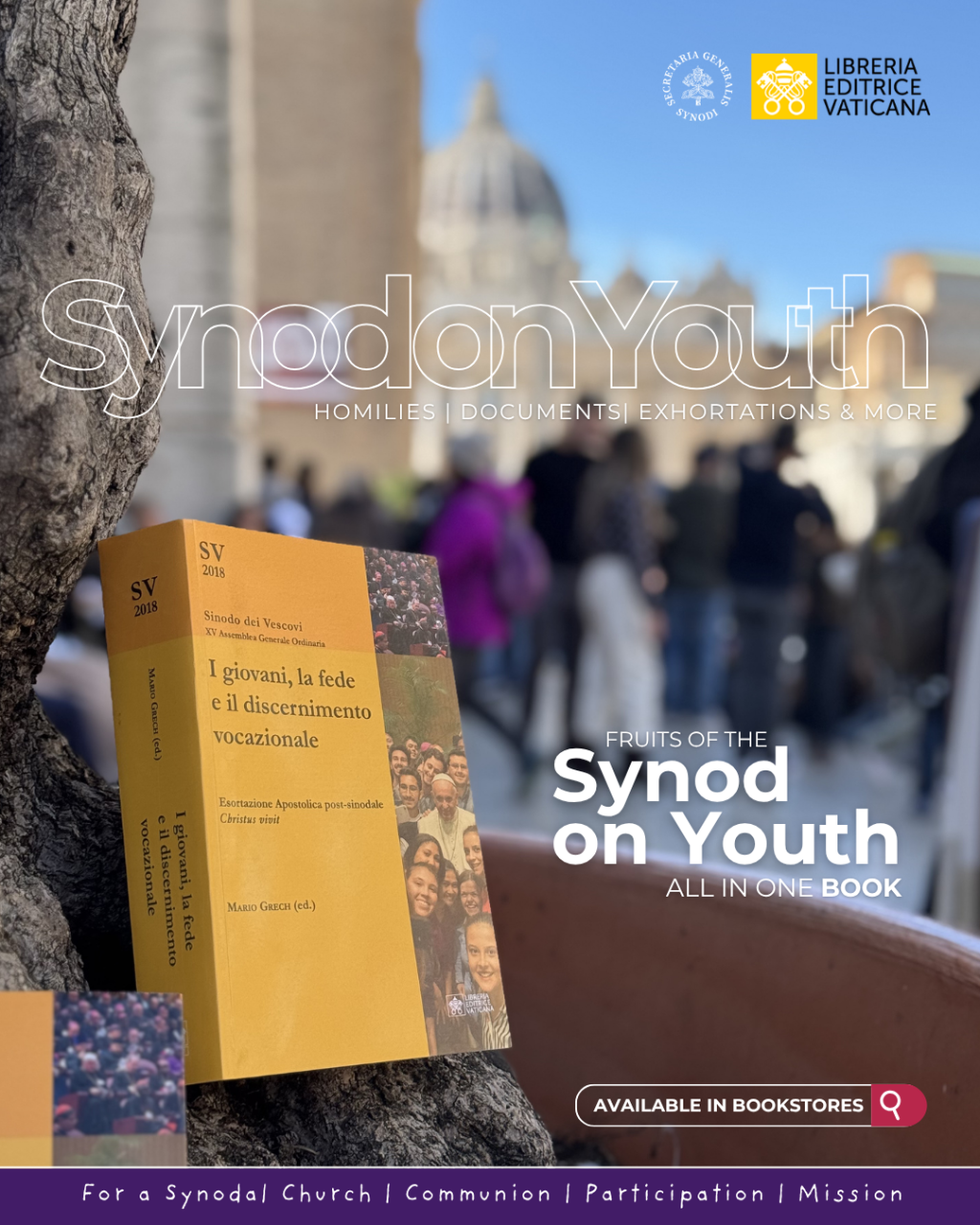 Publisher: Libreria Editrice Vaticana
Year of publication: 2026
Available from: 4 March 2026
Pages: 928 pp., Paperback
Publisher: Libreria Editrice Vaticana
Year of publication: 2026
Available from: 4 March 2026
Pages: 928 pp., Paperback


NEWS TRACKER: RELATED NEWS ON THIS CLASSIFICATION


