



NEWS

Rayagada Diocese Confronts Migration Crisis with Renewed Pastoral Action
In a district where migration has become a compulsion rather than a choice, the Don Bosco for Migrants (DB4M) initiative has intensified its engagement with families impacted by seasonal and long-term labour movement. The Diocese of Rayagada hosted a one-day consultation, “Pilgrims of Hope: Journeying with Odisha Informal and Migrant Workers,” at Don Bosco Muniguda, bringing together parish leaders, catechists, and council representatives to assess and respond to the needs of affected communities.
Officially classified as migration-prone by the Government of Odisha, Rayagada continues to witness the exodus of workers to Tamil Nadu, Kerala, Karnataka, Maharashtra, Gujarat, and Delhi. The consultation, attended by sixty-five participants, aimed to strengthen pastoral awareness at the source and empower leaders to accompany migrant families with dignity and structured support.
Opening the session, Fr. Wilson SDB, Rector of Don Bosco Muniguda, reminded the gathering of the Salesian mandate to serve those most vulnerable. “Migrants must be accompanied as pilgrims of hope,” he said, noting that the charism of Don Bosco calls for presence, protection, and proximity among those on the margins.
Fr. Francis Bosco, Director of DB4M, spoke candidly of the human cost of displacement, highlighting exploitation, wage denial, and unsafe labour conditions faced by Odia workers across destination states. He described migrant ministry as an essential pastoral mission rather than an optional outreach. “Safeguarding dignity, rights, and welfare is a shared responsibility of the Church, local leadership, and civil society,” he stressed.
From a policy and rights perspective, Fr. Kumud, representing the Odisha Regional Migrant Commission, underscored the urgency of documentation, registration, and access to entitlements. He noted that pre-departure awareness and legal orientation can significantly prevent trafficking, debt bondage, and labour violations.
The consultation moved beyond presentations into grassroots reflection. Small groups identified critical gaps in livelihood security and affirmed the need for forest-based employment, strengthened Gram Sabha action, and inclusive governance. The declaration “amāre jungle, amāre jala, amāre jamin”—our forests, our water, our land—captured the collective intent to build self-reliant communities. Hence, migration becomes an option, not a compulsion.
The day concluded with the Eucharist presided over by Bishop Aplinar Senapati, who commended DB4M and the Salesians of Don Bosco for steering the diocese toward deeper engagement with displaced and vulnerable workers. He called for pastoral continuity rooted in hope, dignity, and sustainable livelihood at home.




News Published by
As part of the Colle project, we offer an international volunteering experience with young people from all over the world, who live in community and share their lives, …
DOWNLOAD PDF for more information.
Common Spiritual Direction Series
✥ CSDS ✤ Download Your Kit Free
Join the Conversation
Your experience matters. Whether you’re a youth leader, educator, or simply passionate about making a difference—your insights add value that reporting alone can't capture. When you comment, you're not just reacting—you're helping shape a thoughtful, encouraging community.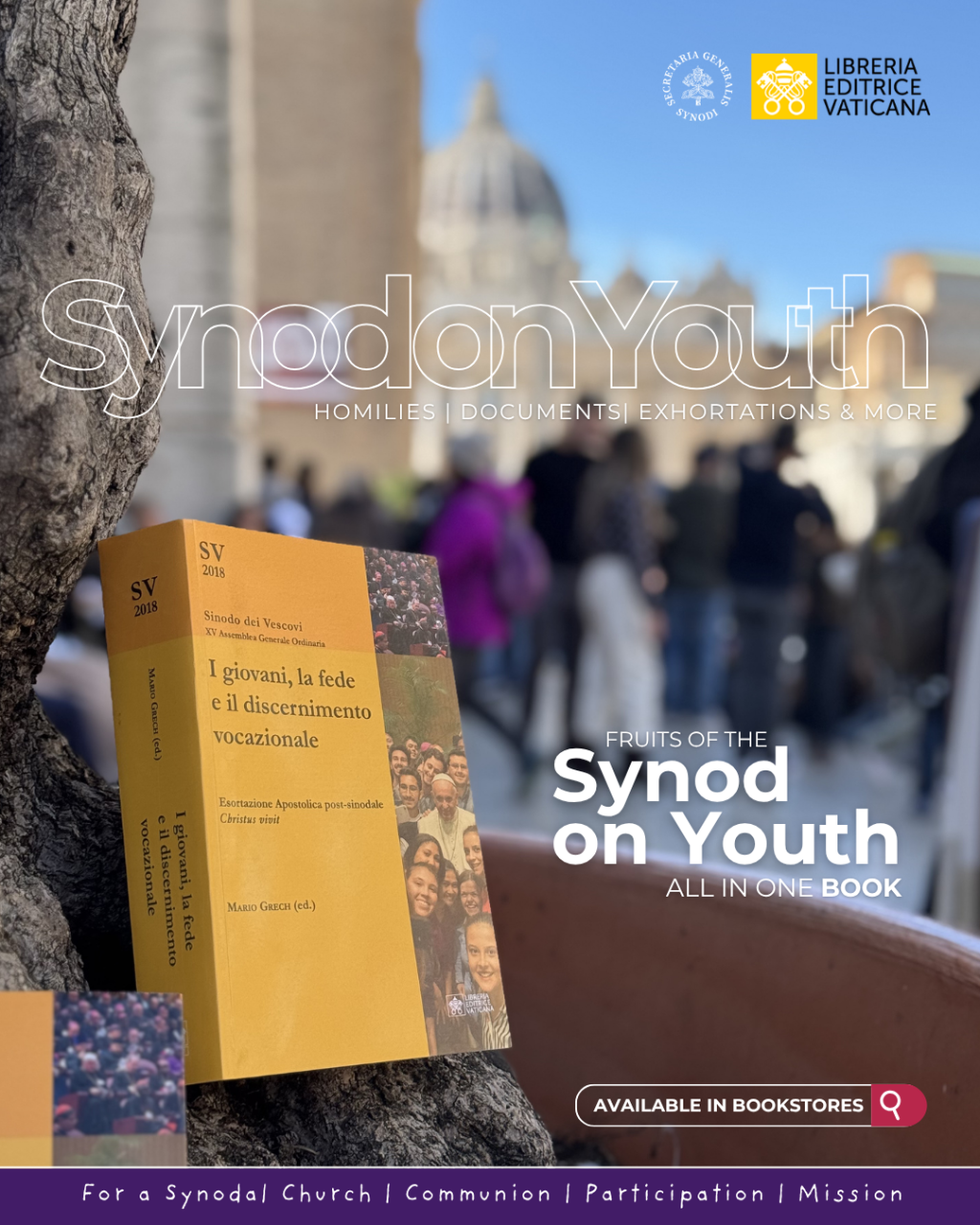 Publisher: Libreria Editrice Vaticana
Year of publication: 2026
Available from: 4 March 2026
Pages: 928 pp., Paperback
Publisher: Libreria Editrice Vaticana
Year of publication: 2026
Available from: 4 March 2026
Pages: 928 pp., Paperback


NEWS TRACKER: RELATED NEWS ON THIS CLASSIFICATION


NEWS TRACKER: RELATED NEWS ON THIS GOAL


